Parent Help
Supporting your young flutist at home
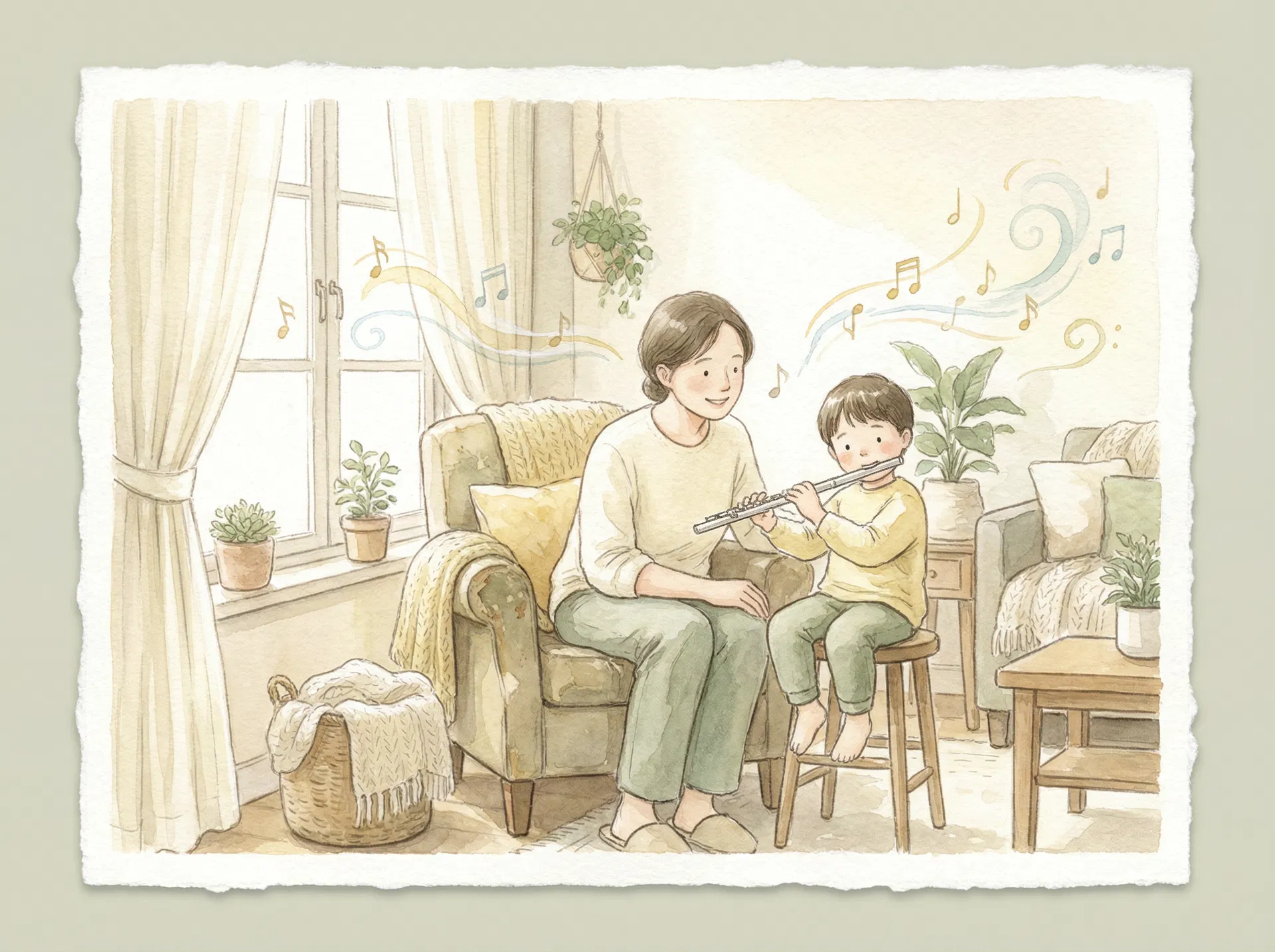
As a parent, you play an important role in your child's flute journey — even if you have never played a note yourself. Here are some practical ways to help.
How to Help a Beginner Flute Student Practice
You do not need to know how to play the flute to help your child practice. Your role is to create a calm, supportive space and be present. Sit nearby, listen, and offer encouragement. Help them set up their flute, find their practice materials, and keep track of time. Even five minutes of your quiet support makes a big difference.
What to Listen For
You do not need to judge the sound — just notice effort. Is your child trying to hold notes steadily? Are they following the steps on their practice card? Are they sitting or standing with good posture? If you hear them trying, they are practicing well. Avoid commenting on squeaks or mistakes — those are a normal part of learning.
How to Encourage Without Pressure
Use specific, positive language. Instead of "That sounded bad," try "I noticed you held that note really steadily!" Instead of "Practice more," try "Want to try that one more time?" Focus on effort, not perfection. Celebrate small wins like completing a practice card, remembering to sit up straight, or practicing without being asked.
Why Short Daily Practice Helps More
Five to ten minutes of focused daily practice builds stronger habits and better skills than one long session on the weekend. Short sessions keep things fun and prevent frustration. The goal is consistency, not duration. If your child practices a little bit every day, they will make steady, real progress.
Creating a Successful Home Routine
Pick a regular time each day for practice — after school, before dinner, or whenever works best for your family. Set up a quiet spot with a music stand if you have one. Keep the flute case in an easy-to-reach place. Use a timer so your child knows practice has a clear beginning and end. Make it part of the daily routine, just like brushing teeth.
Have a question about your child's practice?
Ms. Michelle is happy to help. Reach out any time with questions about home practice, flute care, or lessons.
[email protected]